What Is Moisture-Wicking Fabric? (And Why It Matters in India)
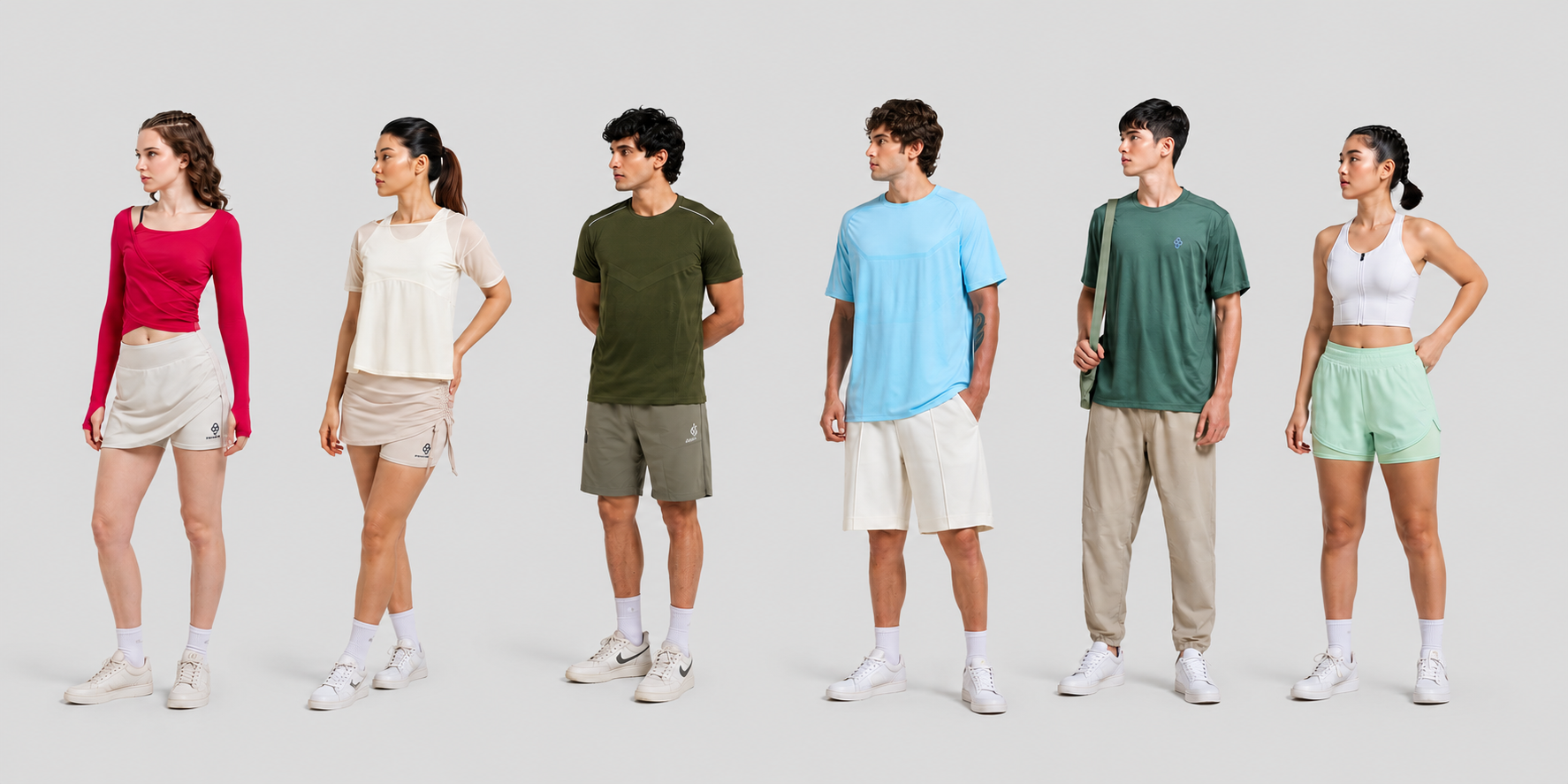
Moisture wicking fabric gym wear has become one of the most important upgrades in modern activewear, especially in a country like India where heat, humidity, sweat, and urban movement are part of daily life for much of the year. Yet despite its growing popularity, many consumers still misunderstand what moisture-wicking actually means, how it works, and whether it genuinely improves comfort beyond marketing claims.
At its core, moisture-wicking fabric is designed to move sweat away from your skin and help it evaporate faster. This sounds simple, but in practical terms, it can significantly impact how comfortable, dry, and functional your clothing feels during workouts, travel, daily commutes, or extended wear.
For anyone exploring breathable luxury workout clothes, understanding moisture-wicking is not just about fitness. It is about choosing clothing that works with Indian conditions rather than against them.
Whether you are training in Mumbai humidity, commuting in Bengaluru traffic, or navigating Pune’s warm afternoons, the right fabric can change how your body feels throughout the day.
What Does “Moisture-Wicking” Actually Mean?
Moisture-wicking refers to a fabric’s ability to pull sweat away from your skin and transport it to the outer surface of the garment, where it can evaporate more quickly.
Simple Definition:
Moisture-wicking = Sweat moves away from your body faster
This differs from traditional absorbent fabrics like cotton, which tend to soak sweat and hold onto it.
In Practical Terms:
When you sweat:
-
Standard fabric may absorb moisture and stay wet
-
Moisture-wicking fabric moves sweat outward
-
Sweat spreads across the outer surface
-
Evaporation happens faster
-
You feel drier
Why This Matters:
Sweat itself is not the issue. The discomfort usually comes from sweat sitting on your skin or trapped inside fabric.
That can lead to:
-
Stickiness
-
Heaviness
-
Heat retention
-
Chafing
-
Visible sweat patches
Key Consumer Insight:
Moisture-wicking does not mean “no sweat.”
It means “better sweat management.”
This distinction is important because some consumers assume moisture-wicking clothing prevents sweating entirely, which is not accurate. Sweating is natural. Moisture-wicking simply helps your clothing respond better.
How It Works (Simple Explanation)
Moisture-wicking fabrics use material engineering and fabric structure to encourage sweat movement.
Most are made using synthetic or blended fibers such as:
-
Polyester
-
Nylon
-
Elastane blends
These materials are typically less absorbent than cotton, but they are designed with capillary action or fabric channels that encourage moisture to spread outward.
Diagram-Style Explanation:
Step 1: Body produces sweat
↓
Step 2: Fabric pulls moisture from skin
↓
Step 3: Sweat spreads to outer layer
↓
Step 4: Larger surface area speeds evaporation
↓
Step 5: Body feels cooler and drier
Easy Analogy:
Think of it like moving water from a crowded indoor space to an open terrace where it dries faster.
Why Fabric Structure Matters:
The effectiveness of moisture-wicking depends on:
-
Fiber type
-
Weave structure
-
Surface area
-
Airflow
Important Trade-Off:
Not all moisture-wicking fabrics are equally breathable.
Some fabrics may move sweat effectively but still feel warm if airflow is poor.
This is why breathable luxury workout clothes often combine:
-
Moisture-wicking
-
Ventilation
-
Stretch
-
Lightweight design
Products like IceTee or SweatShield T-Shirt concepts often work best when these elements function together.
Why It’s Crucial in Indian Weather
India’s climate makes moisture-wicking more relevant than in many cooler countries.
Why?
Large parts of India regularly experience:
-
High humidity
-
Heat
-
Long commutes
-
Dense urban movement
-
Extended outdoor exposure
This creates a perfect environment for sweat accumulation.
Example:
A person commuting from gym to work in Mumbai may experience:
-
Workout sweat
-
Outdoor humidity
-
Public transport heat
-
Walking exposure
Without moisture management, clothing can quickly become:
-
Heavy
-
Damp
-
Uncomfortable
-
Odor-prone
Moisture-Wicking Advantage in India:
1. Heat Regulation
Helps maintain cooler body perception
2. Comfort
Reduces cling and stickiness
3. Lifestyle Versatility
Supports gym → coffee → errands transitions
4. Hygiene
May help reduce prolonged dampness
Regional Relevance:
Mumbai / Chennai: High humidity
Delhi / Jaipur: Heat intensity
Bengaluru / Pune: Variable but mobility-heavy
Practical Insight:
In India, moisture-wicking is often not a luxury. It can be a functional necessity for active lifestyles.
Cotton vs Moisture-Wicking (Table)
Cotton remains popular because it feels soft and familiar, but performance often differs significantly.
|
Feature |
Cotton |
Moisture-Wicking Fabric |
|
Sweat Absorption |
High |
Low to moderate |
|
Drying Speed |
Slow |
Fast |
|
Weight When Wet |
Heavy |
Lightweight |
|
Breathability |
Moderate |
Often high (varies) |
|
Odor Management |
Can retain moisture |
Often better with technical blends |
|
Best For |
Low-intensity casual wear |
Workouts, travel, heat-heavy conditions |
|
Gym-to-Street Utility |
Limited in sweat-heavy use |
High |
Cotton’s Strengths:
-
Natural feel
-
Everyday comfort
-
Softness
Cotton’s Limitations:
-
Absorbs sweat
-
Can remain wet
-
May lose shape faster under activewear conditions
Important Nuance:
Cotton is not “bad.”
It is simply not always optimized for sweat-intensive or humid conditions.
Best Rule:
For low-intensity, cool settings, cotton may work well.
For active, heat-heavy, or all-day movement, moisture-wicking often performs better.
When You Need It Most
Not everyone needs moisture-wicking equally in every situation.
Highest Need Scenarios:
1. Gym Workouts
Particularly:
-
HIIT
-
Strength training
-
Cardio
-
Running
Why:
High sweat output requires faster moisture management.
2. Travel
Long airport days, road trips, or city movement often involve:
-
Sitting
-
Walking
-
Heat transitions
Moisture-wicking supports comfort over long durations.
3. Outdoor Activities
Examples:
-
Sports
-
Walking
-
Campus life
-
Errands
Indian Context:
Even non-workout movement can create substantial sweat.
4. Daily Athleisure
As gym-to-street lifestyles expand, moisture-wicking becomes relevant beyond exercise.
For example:
AquaShield Shorts or performance-focused shorts may feel more comfortable for:
-
Grocery runs
-
Airport styling
-
Casual outings
Common Mistakes Consumers Make
Even informed buyers often misunderstand moisture-wicking.
Mistake 1: Assuming All Polyester Is Premium
Not all synthetic fabrics perform equally.
Mistake 2: Ignoring Breathability
Sweat transfer alone is not enough.
Mistake 3: Prioritizing Style Over Fabric Specs
Luxury aesthetics without fabric function can underdeliver.
Mistake 4: Wearing Cotton for High-Humidity Training
Comfort may drop quickly.
Mistake 5: Confusing Quick-Dry with Moisture-Wicking
Quick-dry focuses on drying speed.
Moisture-wicking focuses on sweat transfer.
Some fabrics do both, but not always.
Buying Checklist for Moisture-Wicking Gym Wear
Before buying moisture wicking fabric gym wear, ask:
Fabric
-
Is it engineered for sweat transfer?
-
Is it breathable?
-
Does it suit Indian weather?
Use Case
-
Gym only?
-
Daily wear?
-
Travel?
Fit
-
Will airflow support moisture control?
Construction
-
Ventilation panels?
-
Stretch?
-
Lightweight feel?
Real-World Rule:
If a garment feels sticky, heavy, or heat-trapping after sweat, moisture management may be insufficient.
For consumers seeking breathable luxury workout clothes, moisture-wicking is one of the most practical upgrades available. It improves not just gym performance, but how clothing supports movement, comfort, and confidence throughout the realities of Indian life.
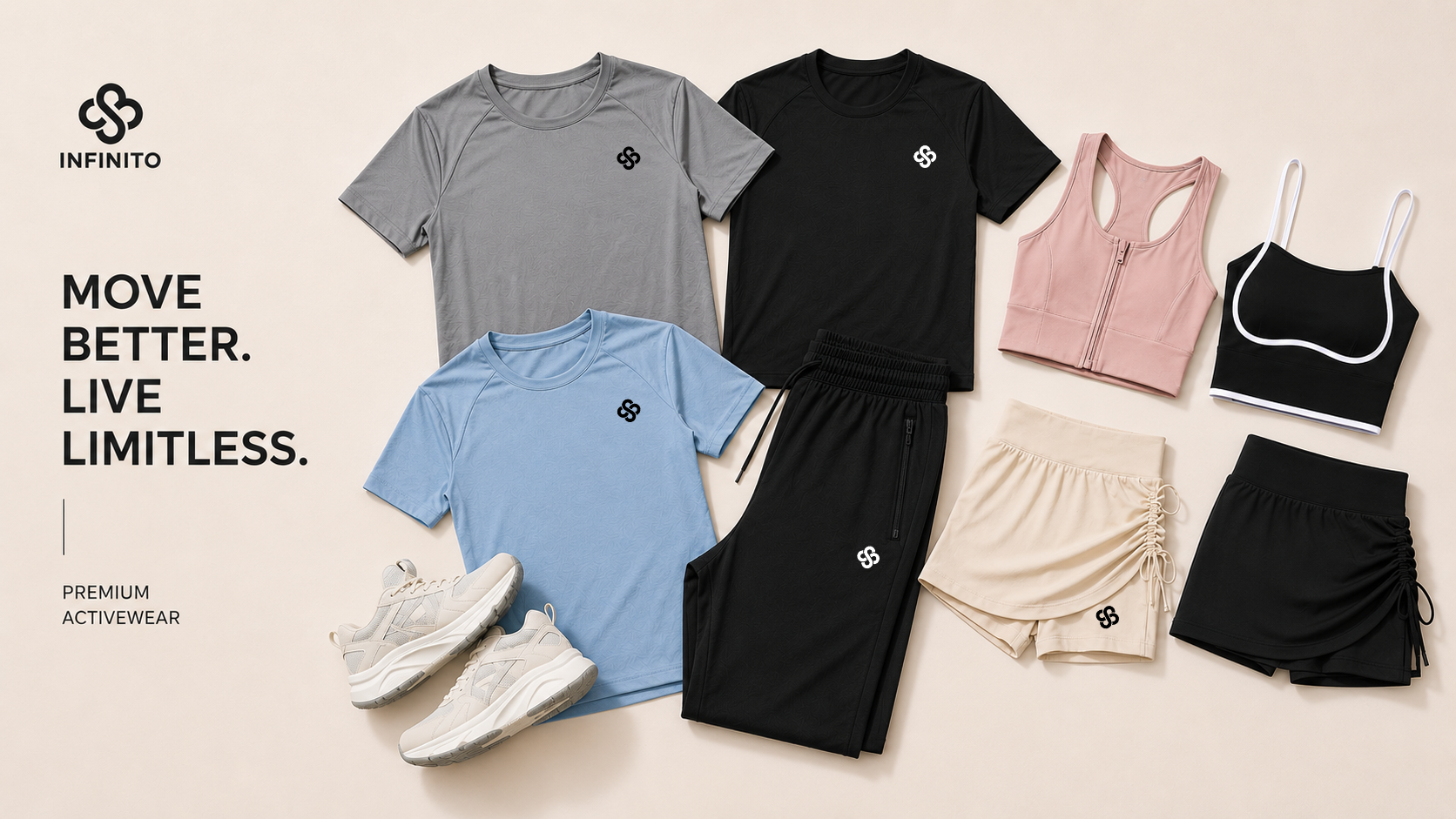
Infinito’s performance-driven philosophy aligns closely with this evolution, where premium activewear is increasingly defined not just by appearance, but by how intelligently it performs under real conditions.
FAQs
What is moisture-wicking fabric?
Moisture-wicking fabric is designed to pull sweat away from your skin and move it to the outer surface of the fabric, where it evaporates faster. This helps keep you drier and more comfortable.
Is moisture-wicking better than cotton?
For workouts, humid climates, and sweat-heavy conditions, moisture-wicking fabrics often outperform cotton because they dry faster and manage sweat more efficiently. Cotton may still feel comfortable for casual, low-intensity wear.